News
Archaeopteryx, one of the world's first proto birds, has a set of weird, never-before-seen features, new study reveals
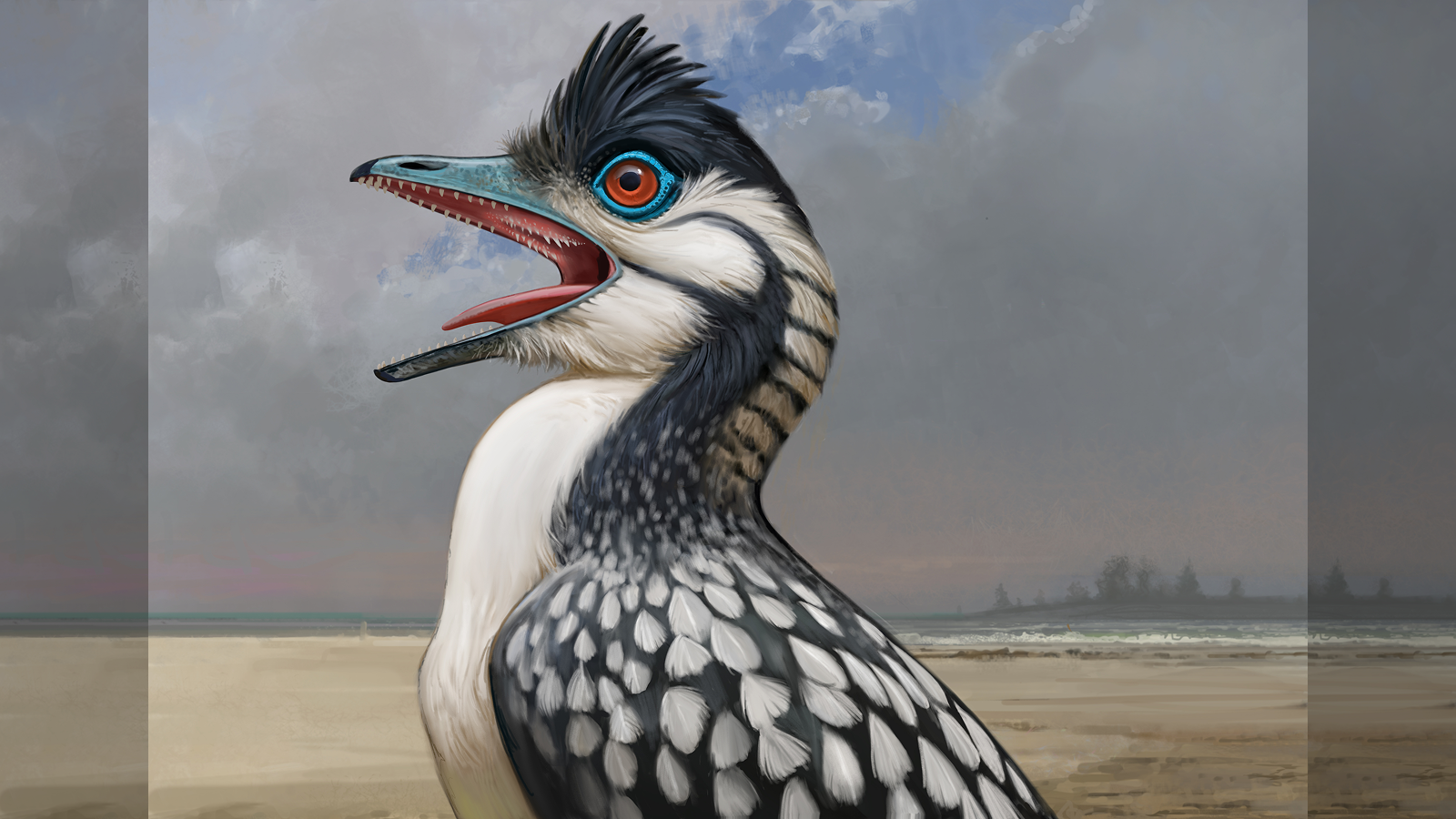 2+ hour, 42+ min ago (456+ words) Quick, fun science challenges. Iconic transition species between dinosaurs and birds may have had weird 'teeth' on roof of its mouth and a highly mobile tongue, study reveals Researchers have uncovered an intriguing set of never-before-seen features in the skull…...
Saltwater crocodiles crossed the Indian Ocean to reach the Seychelles — before humans arrived and wiped them out
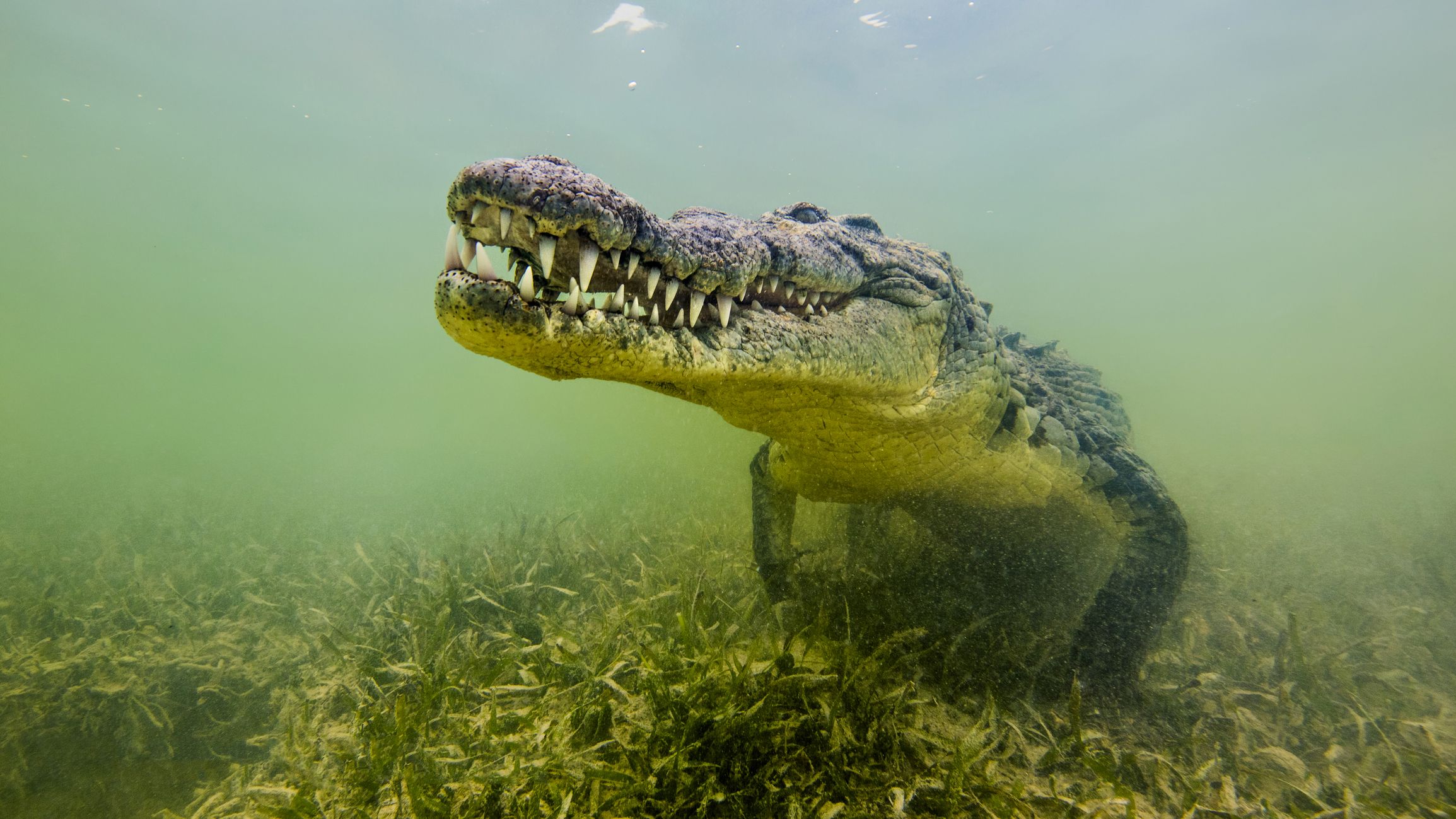 1+ week, 1+ day ago (510+ words) DNA study reveals crocs that lived in the Seychelles represented the westernmost population of saltwater crocodiles, having swam at least 1,800 miles to reach the island. Become a Member in Seconds Unlock instant access to exclusive member features. Get full access…...
Life may have rebounded 'ridiculously fast' after the dinosaur-killing asteroid impact
 1+ week, 5+ day ago (401+ words) After the asteroid smashed into Earth around 66 million years ago, it didn't take life that long to rebound, a new study finds. New species may have evolved surprisingly quickly after the asteroid impact that wiped out the nonavian dinosaurs, researchers…...
More than 43,000 years ago, Neanderthals spent centuries collecting animal skulls in a cave; but archaeologists aren't sure why
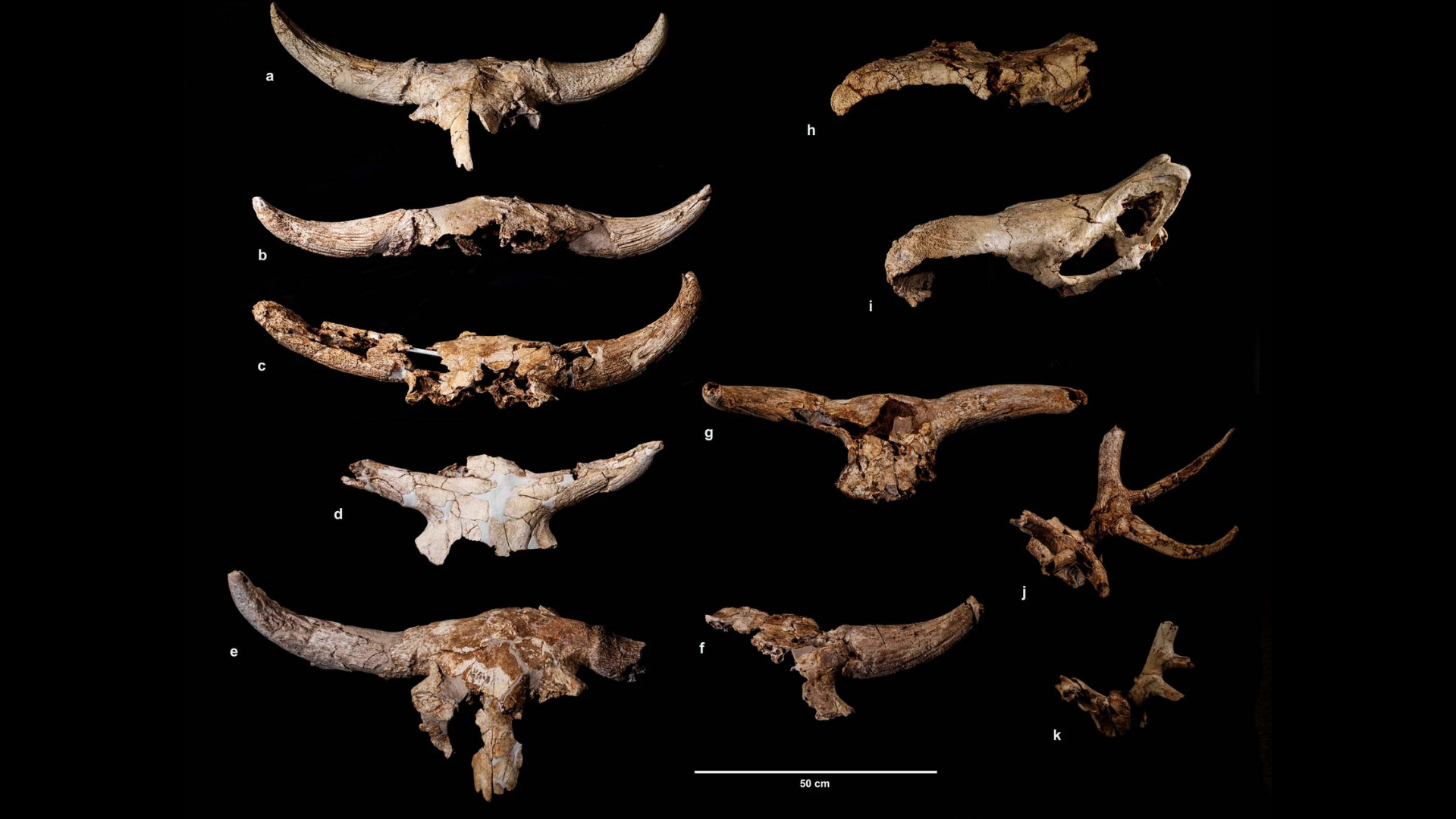 1+ week, 6+ day ago (170+ words) Neanderthals repeatedly returned to the cave to store horned animal skulls, revealing this cultural tradition was transmitted over time. Neanderthals purposefully collected and positioned horned and antlered animal skulls in a cave in what is now Spain, suggesting that these…...
Rock climbers in Italy accidentally discovered evidence of an 80 million-year-old sea turtle stampede
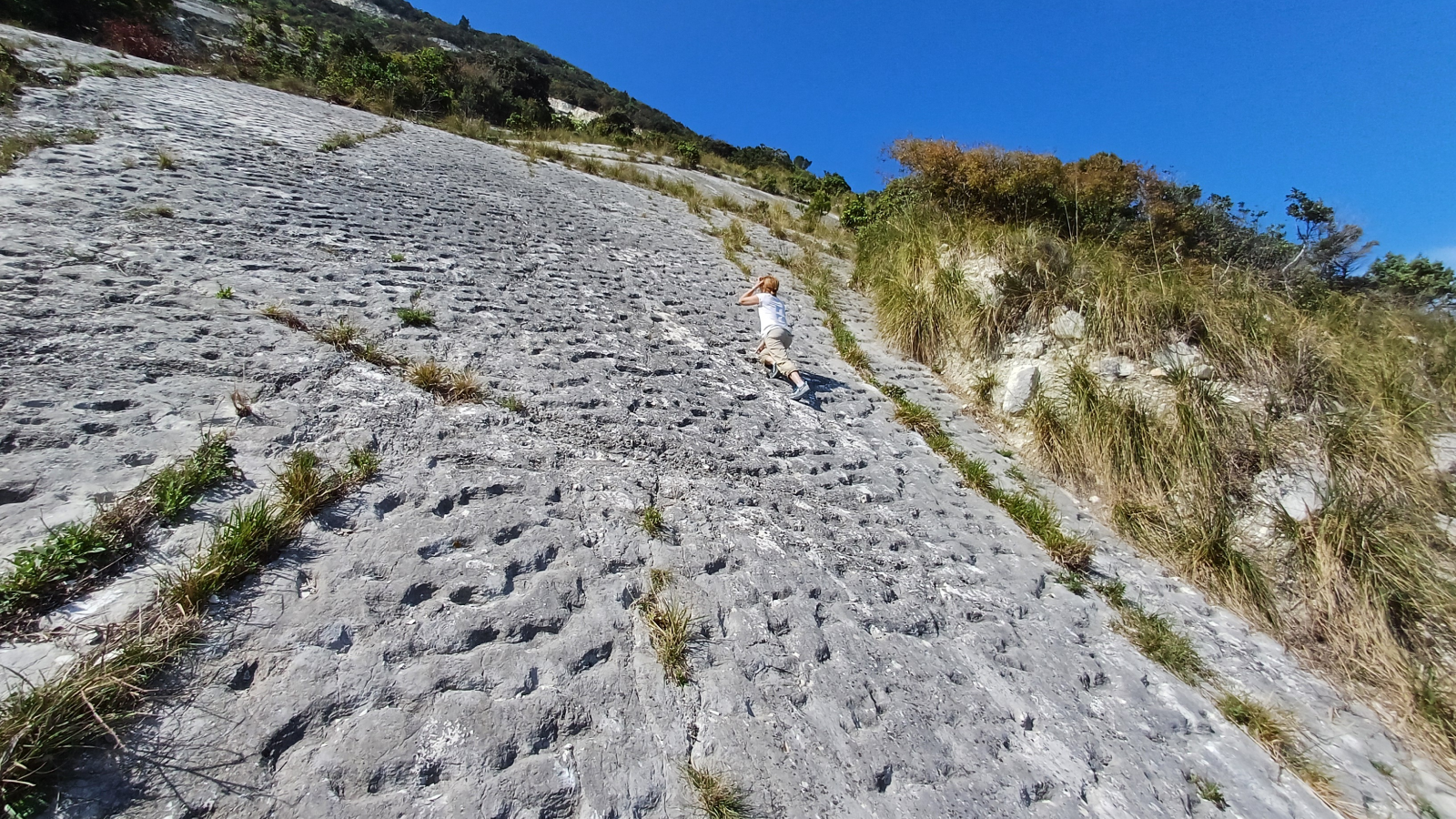 2+ week, 3+ day ago (389+ words) Scientists say grooves on a rock face overlooking the Adriatic Sea may have been made by sea turtles fleeing an earthquake. Rock climbers in Italy stumbled across evidence of what appears to be a sea turtle stampede that took place…...
Why don't you usually see your nose?
 2+ week, 6+ day ago (543+ words) Our nose is right in front of us. So why don't we normally notice it? Close one eye, and focus straight ahead, without moving your eyes. You'll notice a fleshy blur in your peripheral vision " your nose. It's there every…...
2.6 million-year-old jaw from extinct 'Nutcracker Man' is found where we didn't expect it
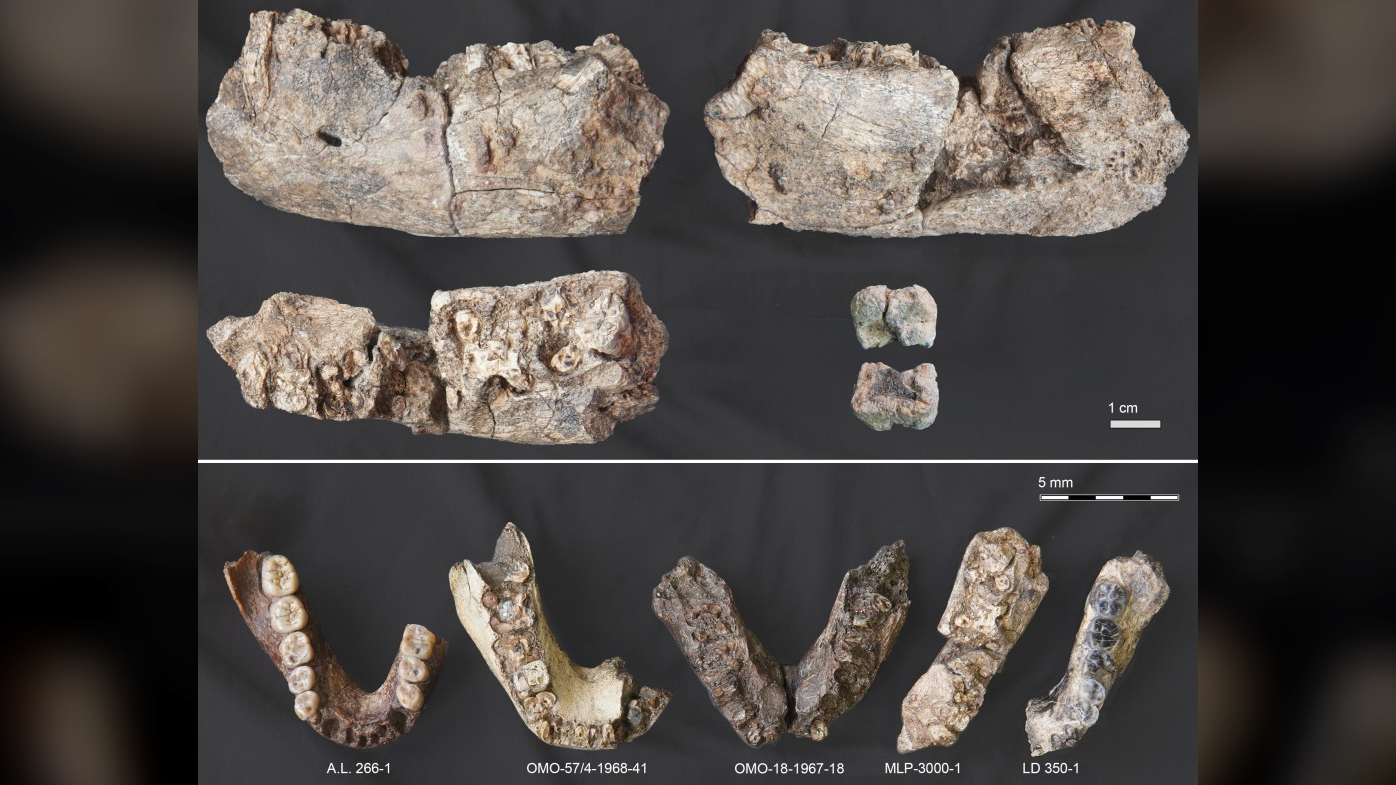 3+ week, 1+ day ago (334+ words) A fossil jaw of a distant human relative was discovered much farther north than previously thought possible, revealing new information about diversity in human evolution. Fragments of a 2.6 million-year-old fossil jaw discovered in northeastern Ethiopia are transforming the picture of…...
Woolly rhino flesh pulled from ancient wolf stomach gives clues to ice age giant's extinction
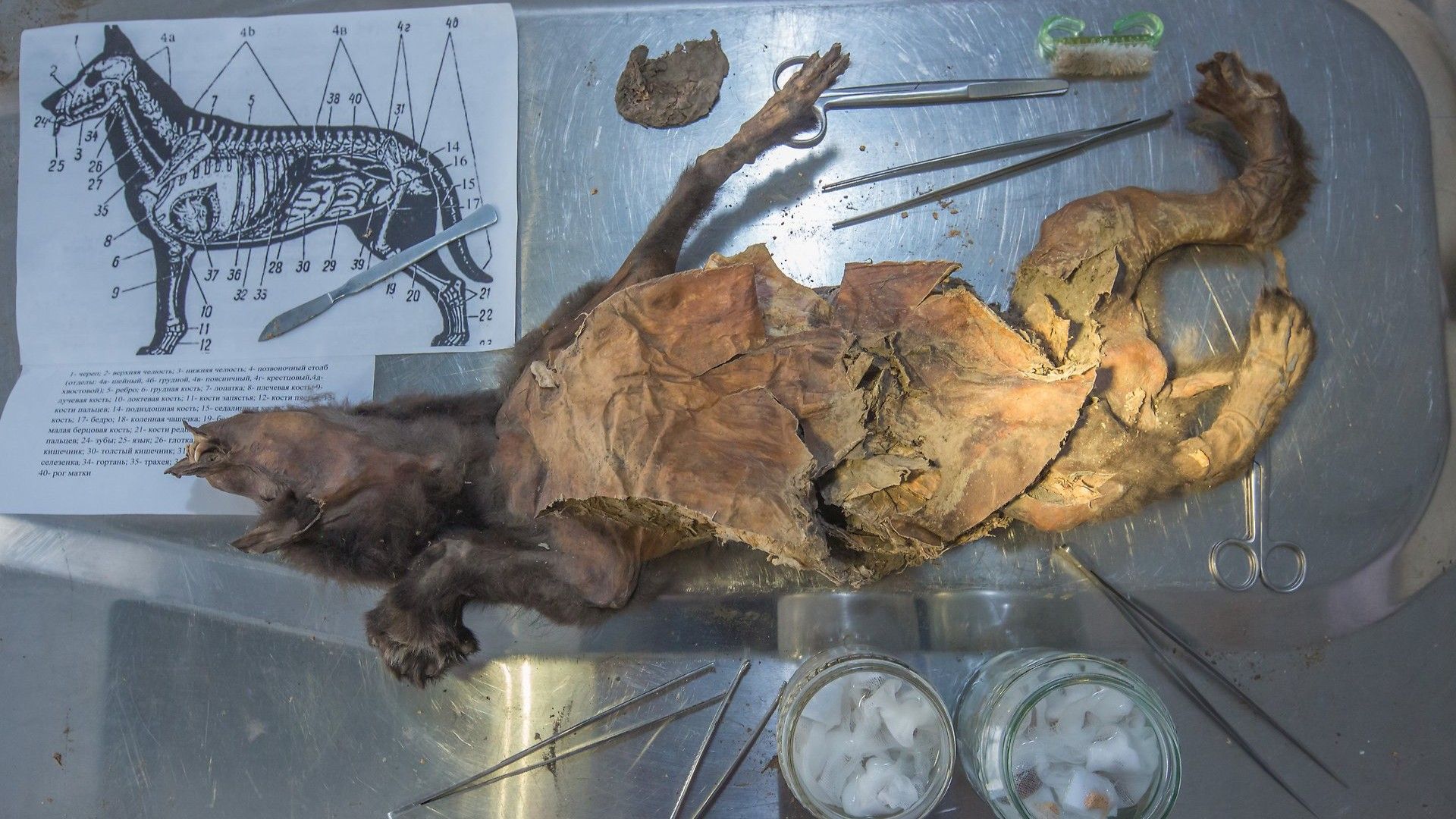 4+ week, 1+ day ago (303+ words) More than 14,000 years ago, a wolf pup ate a piece of woolly rhino. Scientists have analyzed the rhino's DNA to figure out why it went extinct. Scientists have analyzed the genome of a 14,400-year-old woolly rhino from a piece of…...
One of the last woolly rhinos to walk Earth was eaten by a wolf pup — and scientists have now sequenced its genome from the undigested meat
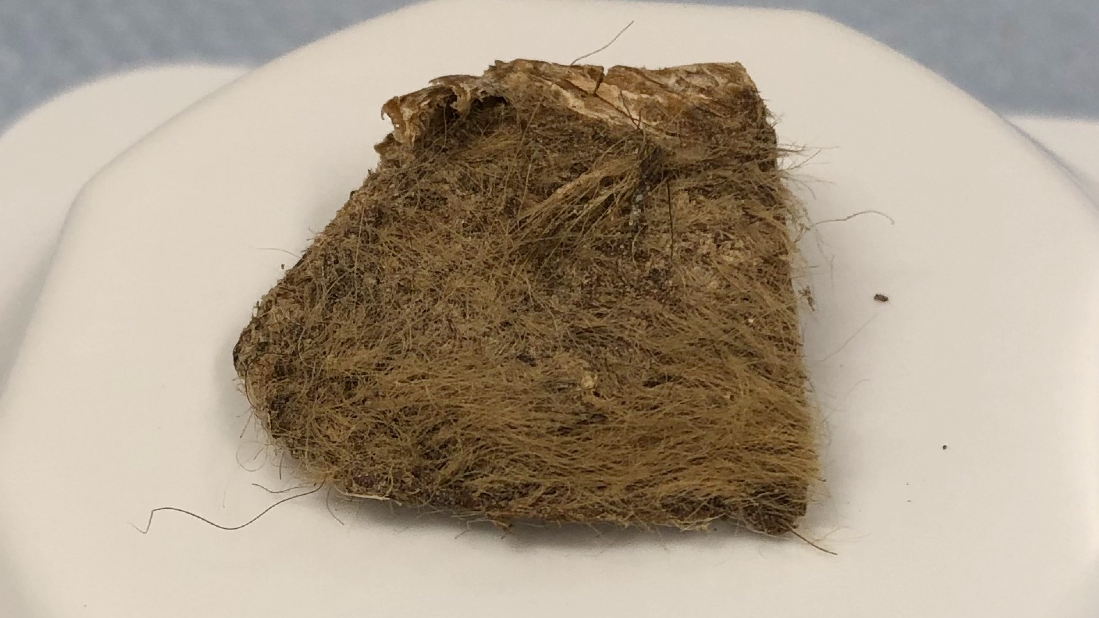 4+ week, 2+ day ago (303+ words) More than 14,000 years ago, a wolf pup ate a piece of woolly rhino. Scientists have analyzed the rhino's DNA to figure out why it went extinct. Scientists have analyzed the genome of a 14,400-year-old woolly rhino from a piece of…...
Most complete Homo habilis skeleton ever found dates to more than 2 million years ago and retains 'Lucy'-like features
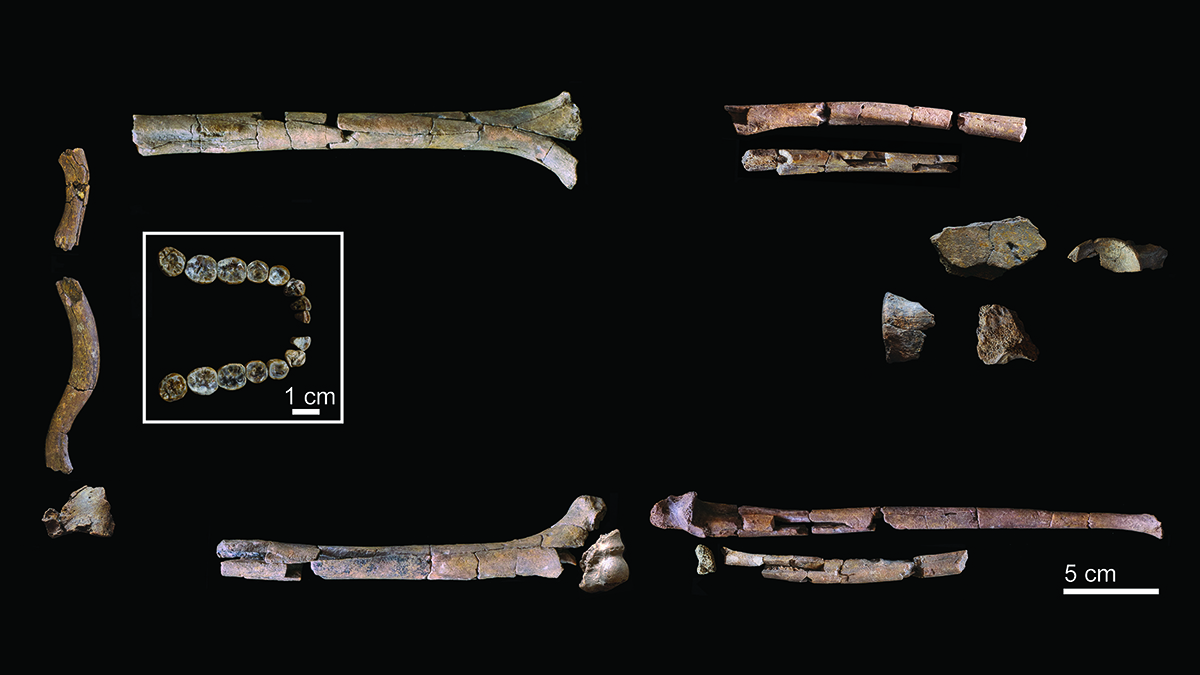 4+ week, 2+ day ago (491+ words) Scientists have revealed the most complete skeleton yet of our 2 million-year-old ancestor Homo habilis. Paleoanthropologists have announced the world's most complete skeleton of Homo habilis, a human ancestor that lived more than 2 million years ago in northern Kenya. The collection…...