News
That time Will Smith helped discover new species of anaconda
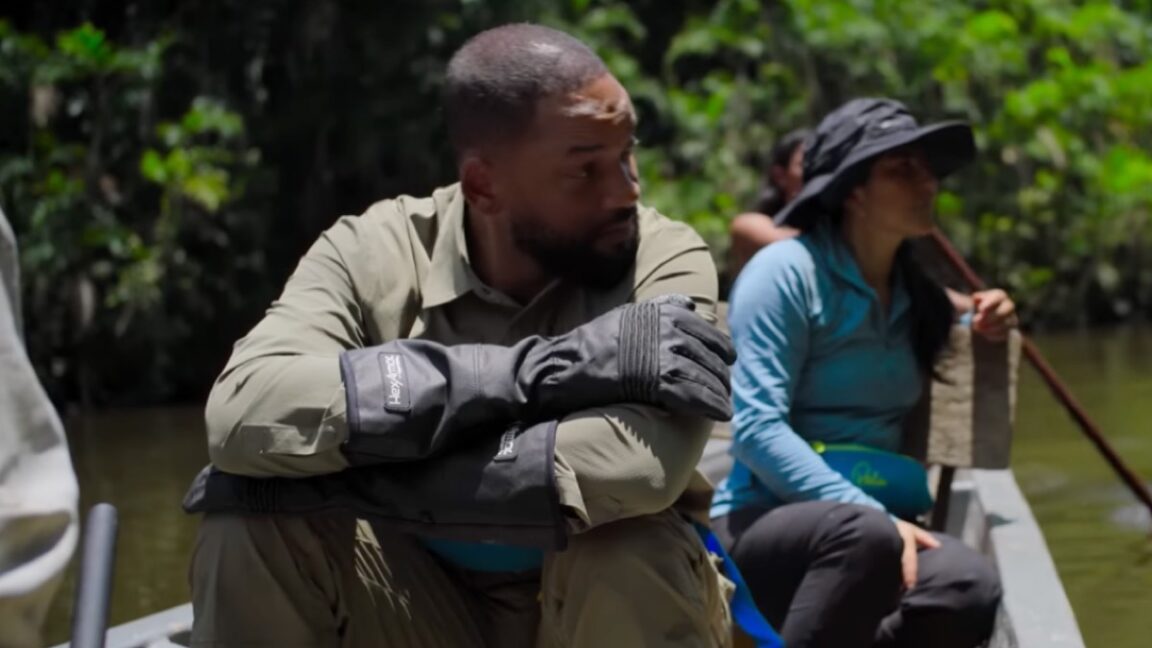 18+ hour, 30+ min ago (270+ words) Jennifer is a senior reporter at Ars Technica with a particular focus on where science meets culture, covering everything from physics and related interdisciplinary topics to her favorite films and TV series. She has been writing professionally about... In 2024, scientists…...
We have a fossil closer to our split with Neanderthals and Denisovans
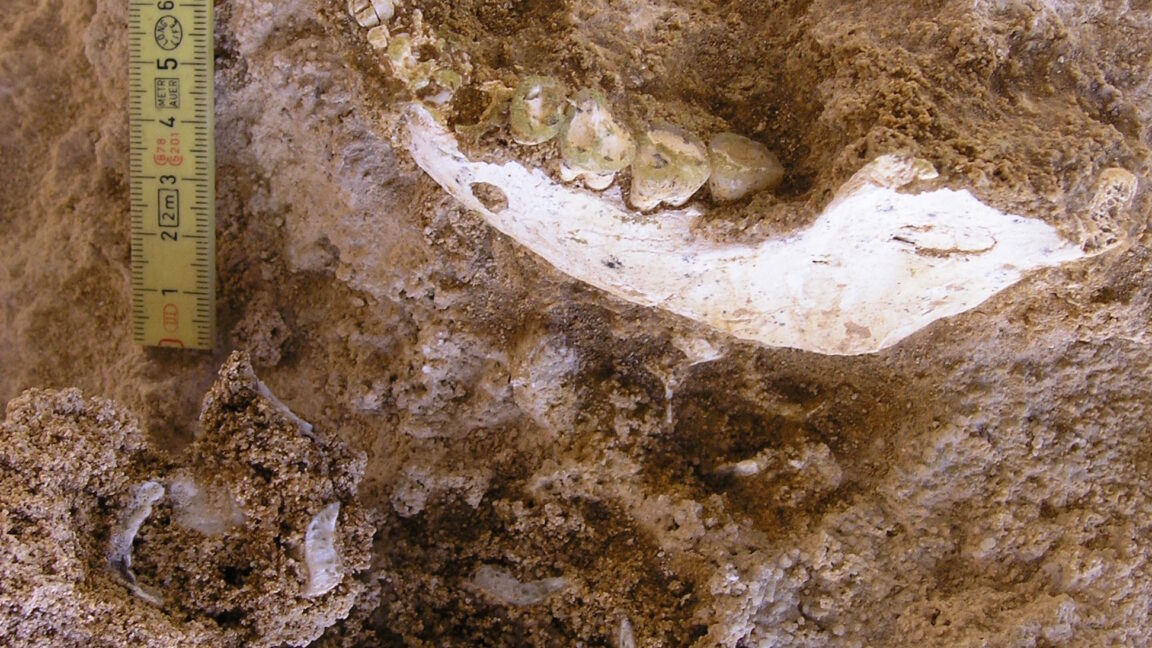 4+ day, 23+ hour ago (221+ words) A recent study suggests that North Africa may be a key place to look. A group of 773,000-year-old hominin fossils from Morocco may shed new light on when our species branched off from the ancestors of Neanderthals and Denisovans. A…...
Humans in southern Africa were an isolated population until recently
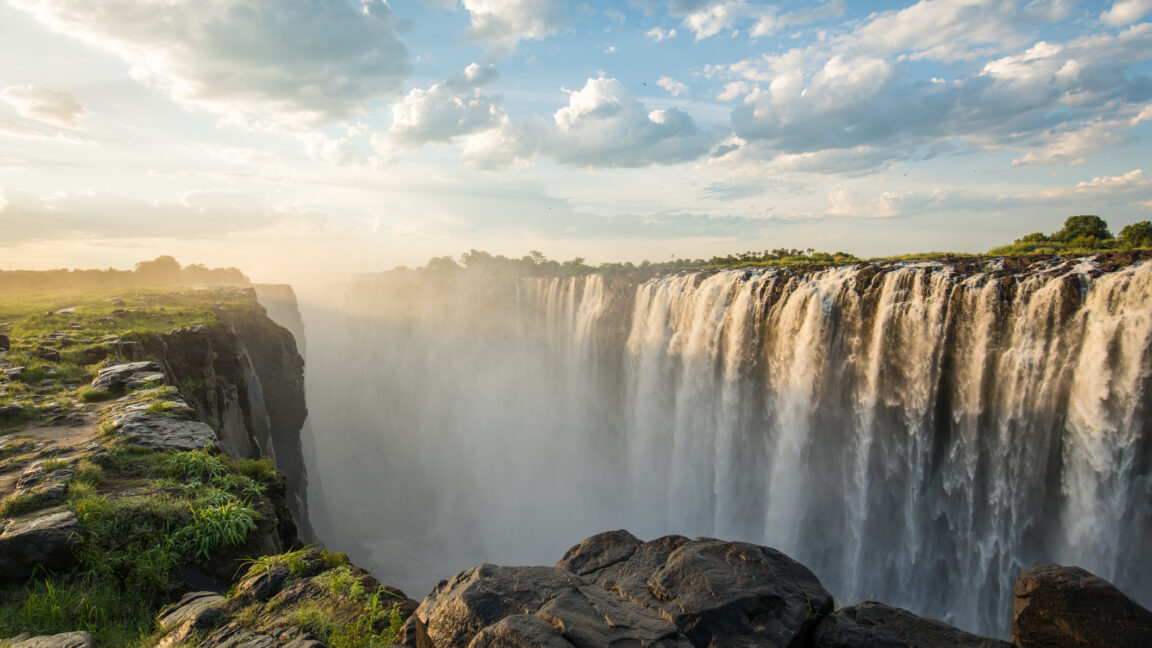 1+ mon, 1+ week ago (277+ words) A distinct population that was isolated until the last thousand years or so. The fossil and genetic evidence agree that modern humans originated in Africa. The most genetically diverse human populations'the groups that have had the longest time to pick…...
Wyoming dinosaur mummies give us a new view of duck-billed species
 1+ mon, 3+ week ago (25+ words) Exquisitely preserved fossils come from a single site in Wyoming. See full article... Wyoming dinosaur mummies give us a new view of duck-billed species...
New study settles 40-year debate: Nanotyrannus is a new species
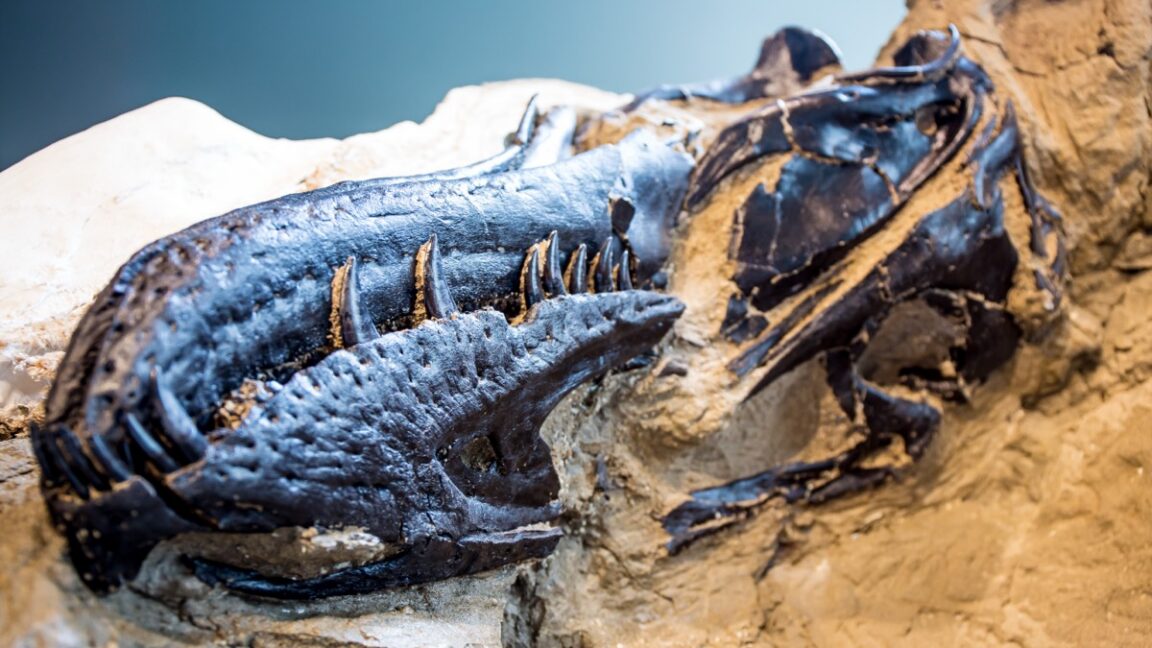 2+ mon, 1+ week ago (231+ words) Jennifer is a senior reporter at Ars Technica with a particular focus on where science meets culture, covering everything from physics and related interdisciplinary topics to her favorite films and TV series. She has been writing professionally about... For four…...
Dinosaurs may have flourished right up to when the asteroid hit
 2+ mon, 2+ week ago (27+ words) Fossil beds in New Mexico show diverse species present in the late Cretaceous. See full article... Dinosaurs may have flourished right up to when the asteroid hit...
The first people to set foot in Australia were fossil hunters
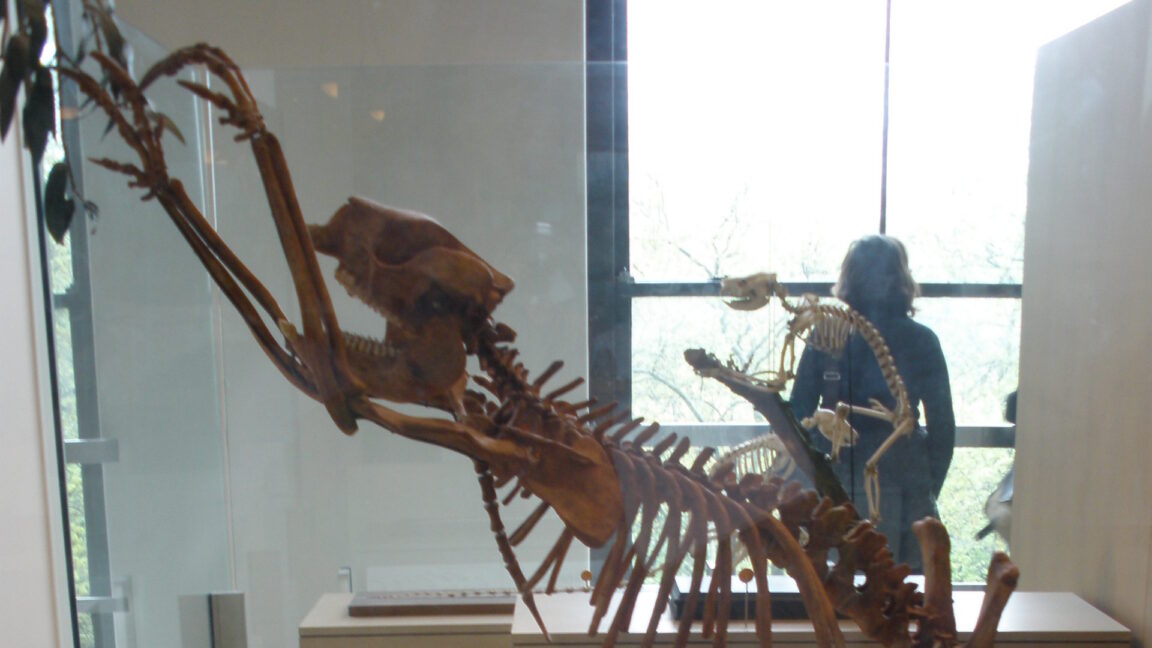 2+ mon, 2+ week ago (355+ words) Europeans weren't the first people to collect fossils in Australia. Australia's First Peoples may or may not have hunted the continent's megafauna to extinction, but they definitely collected fossils. These species died out sometime around 45,000 or 40,000 years ago; today, they…...
Ice Age hunters in South America preferred now-extinct megafauna
3+ mon, 1+ week ago (25+ words) Giant sloths are extinct in part because they were tasty and nutritious. See full article... Ice Age hunters in South America preferred now-extinct megafauna...
150 million-year-old pterosaur cold case has finally been solved
3+ mon, 2+ week ago (23+ words) The storm literally snapped the bones in their wings. See full article... 150 million-year-old pterosaur cold case has finally been solved...
Genetically, Central American mammoths were weird
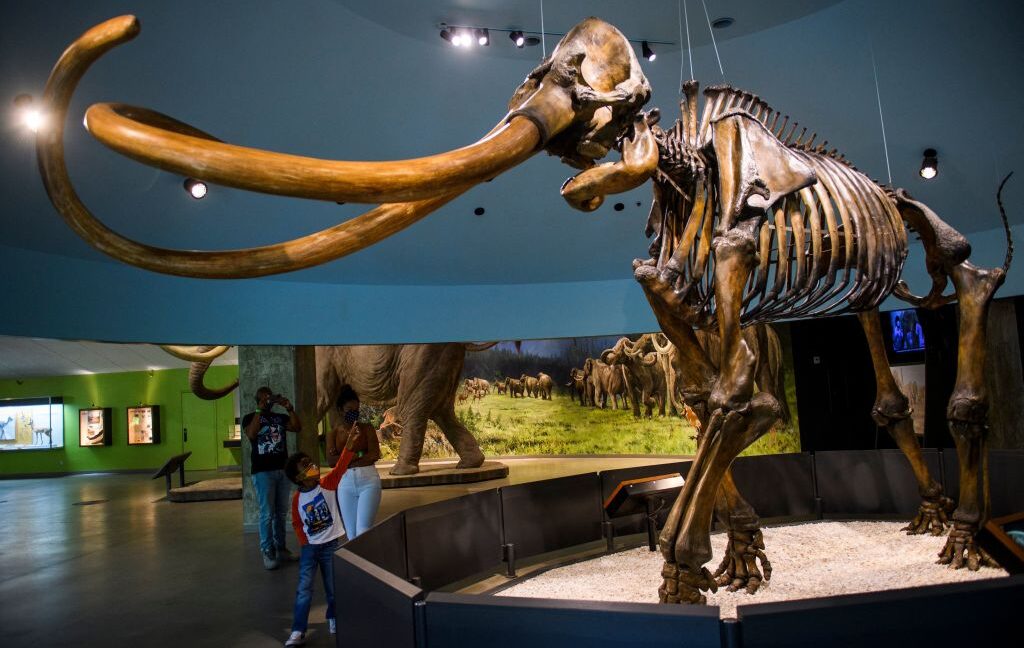 4+ mon, 2+ week ago (209+ words) The species's boundaries in North America seem to have been fairly fluid. We tend to lump all mammoths together as big, hairy elephant-like beasts with enormous tusks. But there were a number of mammoth species, including less furry ones that…...